Iron Deficiency in Fit & Active Adults - A Silent Epidemic
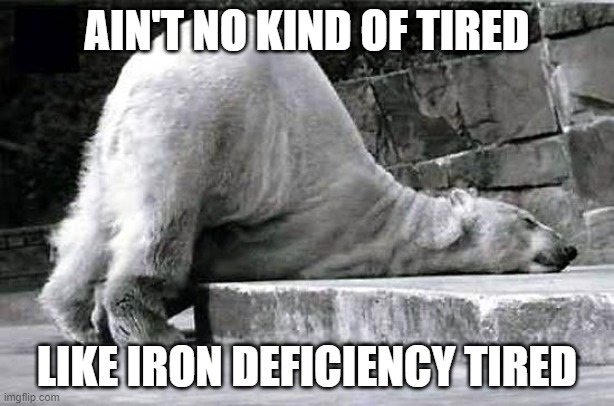
Iron deficiency is one of the most common mineral deficiencies, particularly amongst athletes & regular gym goers. Iron deficiency symptoms can easily be explained away by lifestyle factors such as fatigue due to overwork, low mood due to the fatigue & stress from overwork, frequent colds & infections due to stress & lack of sleep & so iron deficiency can be brushed aside & overlooked until iron stores reach critically low levels.
Iron levels can be lost daily due to several factors, exercise being the most predominantly overlooked reason behind chronically low iron levels. Exercise, particularly high intensity & endurance types of exercise, can increase your iron loss by as much as 70% when compared to sedentary individuals.
Iron is lost through heavy sweating via the skin, through urine, through the gastrointestinal tract & of course, through women’s monthly cycles. The destruction of red blood cells is also greatly increased through impact (think running, jumping, burpees, squats) leading to a shorter life span of the red blood cells & reduction of iron within the body. The more you push your body, basically, the more iron will be lost.
Anyone following a healthy eating plan may also be at greater risk of reduced iron consumption due to the lack of processed foods within their diet. A lot of processed foods are fortified with iron (cereals, juices, breads, pasta) so it is important to ensure you are either getting enough iron via your healthy eating plan as well, or via supplementation.
As unlikely as it sounds, your couch potato friend is likely to have better iron stores than you, if you’re a fitness fanatic or athlete. That's not to say that you should stop your exercise routine & start eating more processed foods, it simply means that you should be super aware that you, as a fit, active & healthy individual, will require double the dietary iron than if you were a junk food loving couch potato. Weird, I know. But it is what it is. They lose much less iron whilst couch-potatoing on the sofa.
What are 'Normal' Levels?
Standardized screening of iron stores (ferritin) can give you a ‘normal’ reading, however the ranges are ridiculously broad for 'normal' ferritin readings, so I wouldn't rely upon the ‘OK’ from your GP from a standardized ferritin test. Ask for a printout of your levels & compare them to the ranges list below:
Adult female (premenopausal): 20-220 µg/L.
Adult female (postmenopausal): 30-370 µg/L.
Adult male: 30-620 µg/L.
For an adult male, your result may be ‘normal’ at 40 µg/L. but you are obviously at the very low end of the spectrum & at risk of critical iron deficiency/anaemia & at greater risk of heart failure & tachycardia.
As a Nutritionist, I believe we shouldn’t wait until we reach critical stages of disease before actually doing something about it. I would rather know that I could simply up my iron consumption now & build upon my ferritin stores to avoid requiring blood transfusions to treat anaemia. I would rather up my ferritin levels now rather than risk heart complications such as tachycardia or heart failure a year from now, which could have been identified if the common sense fairy had looked at my ferritin levels & compared them to ‘normal’ & 'acceptable' ranges as described by the medical community & said 'Hey, no... you're at risk of disease if you don't do something now'.
We shouldn’t allow disease to develop & progress before treating the problem when a simple solution could have prevented the disease from occurring in the first place.
It is purely neglectful, but that’s just my opinion.
So, what are the symptoms to look out for?
Symptoms of iron deficiency can include:
Extreme fatigue
Low or depressed mood
Apathy
Behavioural problems
Poor appetite
Slowed growth
Breathlessness
Increased sweating
Unexplained weakness
Pale skin or sallow skin
Chest pain, fast heartbeat or shortness of breath
Dizziness or light-headedness
Cold hands and feet
Inflammation or soreness of your tongue/mouth ulcers
Poor wound healing
Lowered immunity, frequent colds/flu
Repeat infections
Brittle nails
Rapid heartbeat
Pounding or "whooshing" in the ears
Headache or migraine, especially with activity
Unusual cravings for non-nutritive substances, such as ice, dirt or starch
How much should I be consuming?
The recommended dietary intake for adults is listed below:
Men aged over 19 — 8mg
Women aged 19-50 — 18mg
Women 51+ — 8mg
If you are an active & athletic individual, you will require more, simply because more of your iron stores are lost through daily fitness training.
What are some healthy sources of dietary iron?
Animal-based sources of iron:
Red meats
Offal
Poultry
Fish or shellfish
Eggs
Plant-based sources of iron:
Plant foods containing non-haem iron can still provide an adequate amount of iron for the body. Good sources include:
Nuts
Dried fruit
Prune juice
Wholemeal pasta and bread
Beans & legumes (beans, lentils, chickpeas)
Dark leafy green vegetables (spinach, silver beet, broccoli)
Oats
Tofu
Beetroot
Spirulina powder
Ensure you eat a range of iron rich foods daily & increase your vitamin C levels (to assist with iron absorbtion) & to avoid iron deficiency symptoms before they occur. If you fall within the 'at risk' group of healthy, active individuals with iron deficiency symptoms, consider booking in for an appointment to discuss better ways of optimising your iron stores & getting you back to feeling 100%.
Dee
XX
Display prices in:AUD